
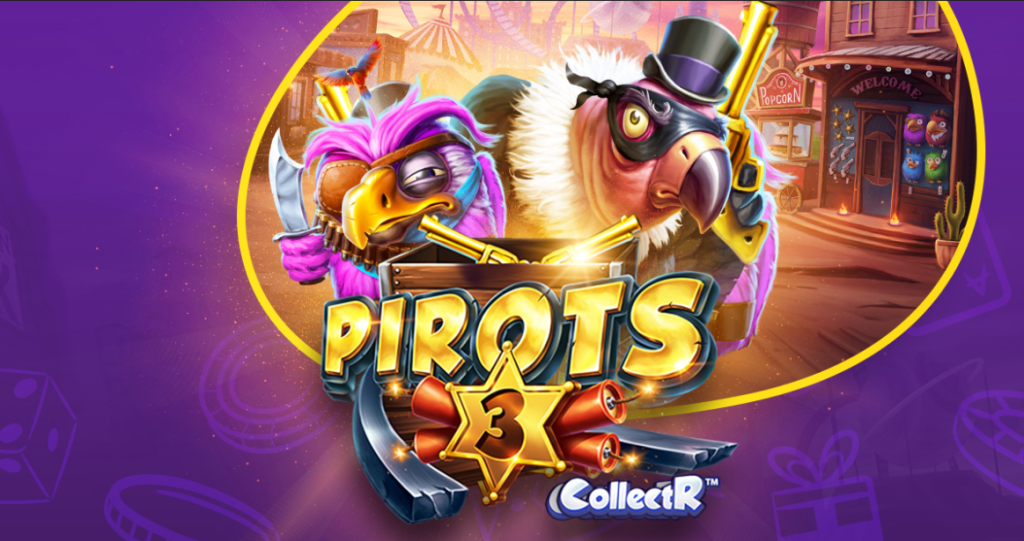
Spiritual practices and digital leisure sometimes intersect, and online gaming is no different. A handful of players on platforms such as Pirots 5 Slot incorporate crystals into their gaming sessions. They might use them to improve concentration, draw in luck, or simply to purify their surroundings. This is a personal decision, one that Pirots 5 Slot does not endorse, but it reflects a broader cultural trend towards establishing intentions and cultivating mindfulness. We’re looking at how these objects get used, what people think they derive from them, and why adhering to responsible gaming is the only non-negotiable rule. It is a combination of individual belief, psychological context, and how we opt to spend our free time online.
The concept of Crystals in Gaming Contexts
Many spiritual traditions hold that crystals contain certain energies that can affect a person or a room. During an online slot session at Pirots 5 Slot, a player can set a piece of citrine nearby, captivated by its old association with abundance. Another might choose amethyst for its link to calm and clarity. This isn’t an attempt to change the game’s code. Slot outcomes are decided by certified Random Number Generators, and nothing changes that. Instead, it’s about managing the player’s own headspace. The simple act of putting a crystal by your keyboard becomes a physical anchor for your intention. It can make the experience feel more grounded and focused, adding a tangible element to the digital play.
Balancing Spiritual Practice with Sensible Expectations
Any awareness or spiritual practice used during gambling has to be connected to reality. The first reality is this: every game on Pirots 5 Slot is a game of chance with a built-in house edge. Crystals do not affect the Return to Player percentage. They don’t touch the randomness of the spin. A moderate approach uses crystals only for self-awareness and emotional regulation. They are not for predicting or controlling outcomes. Players should supplement their personal rituals with concrete tools like deposit limits, session alerts, and scheduled breaks. The spiritual practice should bolster these responsible gambling tools, not substitute for them.
Realistic expectations mean acknowledging that loss is part of the activity. A crystal shouldn’t be a charm to keep losing spins away. That approach only leads to frustration and emotional pain. Instead, its role could be to help someone accept outcomes calmly, to see a loss as simply the end of a paid entertainment session. This level-headed view protects players from the dangerous idea that a “lucky” object can beat statistical certainty. Keeping this distinction clear is the only way to make sure the practice stays a healthy add-on, not a fuel for problematic behavior.
Well-known Crystals and Their Attributed Properties
Ask crystal fans who gamble, and a few varieties come up again and again. Clear quartz, sometimes called a “master healer,” is said to amplify intention and mental clarity. A player may desire that for better focus. Green aventurine has the nickname “stone of opportunity” for its ties to luck and prosperity. Carnelian links to motivation and courage, which could help someone become more confident as they play. It’s essential to state that these properties originate from folklore and metaphysical belief, not lab science. Any effect is subjective, varying wildly from person to person and leaning heavily on individual belief and the psychological placebo effect.
Selecting the crystal can be a ritual in itself https://pirots5casino.uk/. Someone might spend time reading up on stones, or just choose one that seems right for their goals at Pirots 5 Slot. Maybe they want to develop patience or attract positive energy. During play, the weight of the stone in a hand or its glint in the light can bring about a mindful pause. It’s a chance to breathe and recenter after a spin. This small interruption can change a player’s demeanor, promoting a more disciplined approach. But let’s be perfectly clear: no crystal can promise a win. None can change the random outcome of a slot machine. That’s a basic fact every player has to keep in mind.
Defining Intentions Versus Chasing Losses
We must draw a sharp line here. Using a crystal to set a good intention is one thing. Using it as part of a gambling system is something else entirely, and it’s a risky mistake. Setting an intention is a player holding a crystal and thinking, “I will stick to my budget and have fun.” That’s cognitive framing. Chasing losses is a dangerous behavior where someone persists playing to win back what they’ve lost. If they think a crystal will help with that, it’s a big warning sign. The object turns into a false token of a coming turnaround, warping reality and throwing responsible gaming principles to the curb.
This confusion demonstrates why we must keep spiritual practice separate from the maths of gambling. Games at Pirots 5 Slot are random. Each spin exists on its own, untouched by the spins before it. Thinking a crystal can influence this randomness is a cognitive distortion, a kind of magical thinking. Players who bring crystals into their sessions must be aware of this trap. Their practice should promote a controlled, controlled session, not feed irrational hopes. The core focus should remain the same: this is paid entertainment with a known cost. It is not a potential job, and no external object modifies that.
The Psychological Placebo Response of Routines
Psychology has long shown that belief and ritual can influence how we perform and what we experience. This is the placebo effect. A player who truly thinks their crystal enhances focus or luck might actually feel more confident and less anxious. That better mental state can lead to clearer thinking and a stronger grip on their pre-set limits. The ritual of touching the stone functions as a calming mechanism. It can interrupt an impulsive urge, creating a moment to think. This psychological benefit is real in how it affects mood and behavior. But it is completely different from any supernatural effect on the game’s results.

It creates a self-fulfilling loop. The ritual brings calm, which leads to more disciplined play, which then feels like the crystal is “working.” This explains why the practice feels genuinely effective for individuals. But we have to understand this effect to avoid dependency. Losing the crystal or skipping the ritual shouldn’t leave a player feel helpless or cursed. The real skill is taking the calm and discipline the ritual encourages and making it your own. The goal is to reach that mindset without needing the physical object. That builds real resilience and control.
Creating a Favorable Personal Environment
For numerous, the crystal is merely one part of organizing a space. They may tidy their desk, adjust the lamp, or make sure their chair is comfortable. Placing the chosen stone in this prepared area aids draw a boundary between regular life and leisure time. For various, this whole process renders it easier to be attentive and mindful, blocking out outside stress. The space becomes a specific zone for intense play, where the player experiences more aware of their actions and their time.
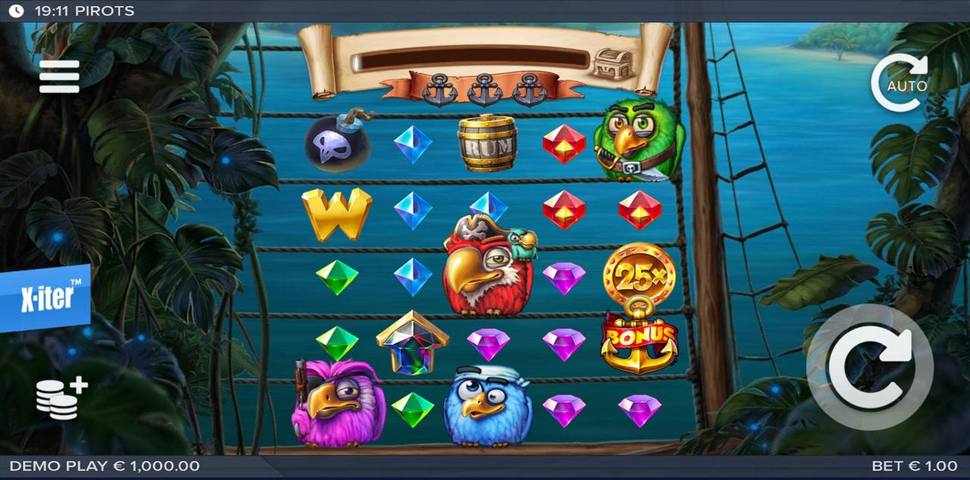
The sensory senses matter here. The smooth, cool sensation of a stone can be calming when excitement kicks in. Seeing it there can be a subtle reminder of the goals set at the start, like remembering a spending limit. Managing your environment like this is a forward-thinking way to manage your emotions. It puts the control in you, emphasizing your own control over your behavior instead of an external hope for luck. Viewed this way, the crystal is simply one item in a individual kit for conscious play. It’s not a magical device.
Spotting Signs of Concerning Dependency
Using a crystal can be a benign personal habit. But you have to watch for signs it’s developing into a problem. One red flag is a increasing belief in the object’s power. Possibly you feel a loss happened because you did the ritual wrong, or you selected the “wrong” crystal. Another sign is betting more often or for higher stakes because you feel the crystal’s “energy” is strong that day. This can progress into chasing losses. If you start attributing the crystal full credit for wins and holding responsible yourself for losses, that’s a detrimental superstitious pattern. It undermines at personal responsibility.
Look for other signals. Do you feel nervous or avoid to play if the object isn’t there? Are you investing too much money buying “more powerful” crystals just for gambling? When a mindfulness tool starts producing stress or compulsive actions, it’s being misused. In these cases, it’s advisable to stop the practice completely and take a serious look at your relationship with gaming. Leveraging the operator’s real responsible gambling tools, like self-exclusion or reality check alerts, becomes far more crucial than any ritual. These tools provide actual, measurable control.
Responsible Gambling as the Enduring Foundation
Whatever personal rituals or beliefs a player has, responsible gambling is the essential foundation. For users of Pirots 5 Slot, this means setting strict, affordable deposit limits before you log in. It means setting clear time limits for your sessions. It means never using money meant for rent, bills, or food. You have to understand these games are entertainment, not a way to make money. The odds always favor the house. Responsible gambling means taking regular breaks, avoiding play when you’re upset or stressed, and being entirely honest with yourself about why you’re playing and how you’re acting.
Operators supply tools to support this. You’ll find self-assessment tests, options for temporary time-outs, and links to professional support groups like GamCare and BeGambleAware. These practical measures have a demonstrated record for player safety. Metaphysical aids do not. If a crystal ritual is used, it must exist inside this framework of real-world controls, not outside it. The aim is to keep the activity a conscious choice within a balanced life, free from harm or regret. The most powerful tool a player has is their own informed and disciplined mind. That principle surpasses any external object.